Newsletter Subscribe
Enter your email address below and subscribe to our newsletter

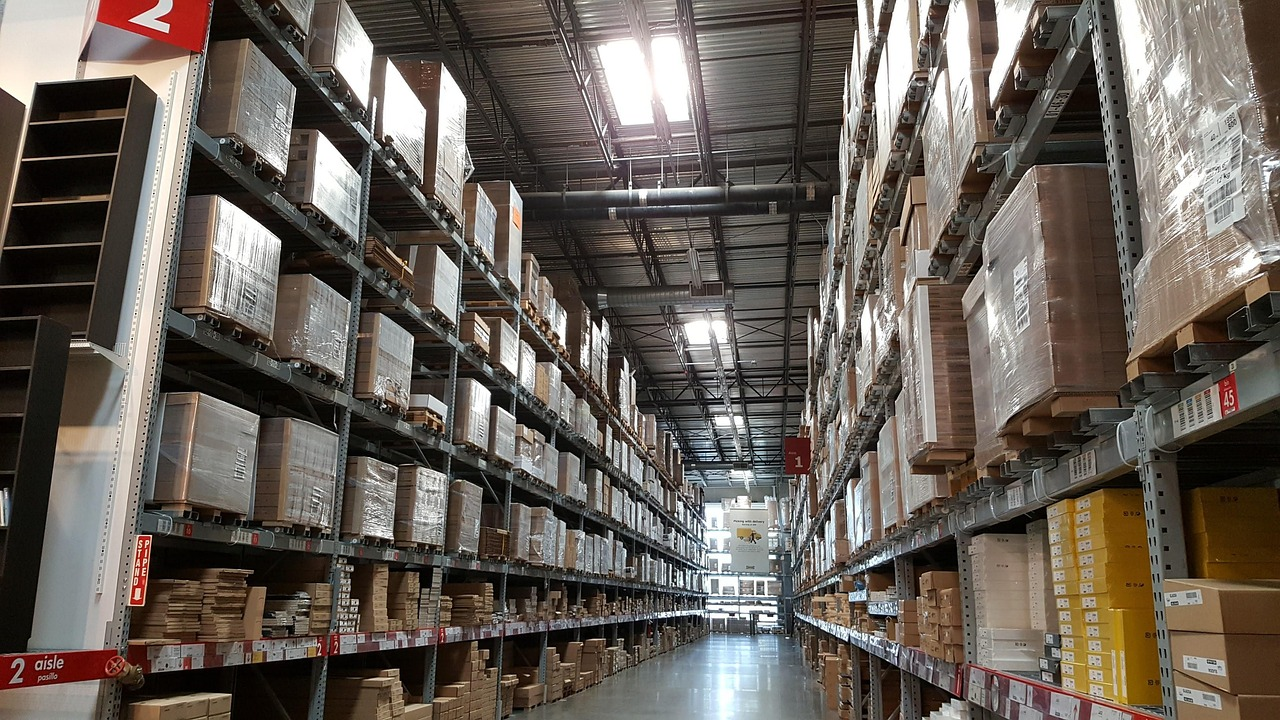
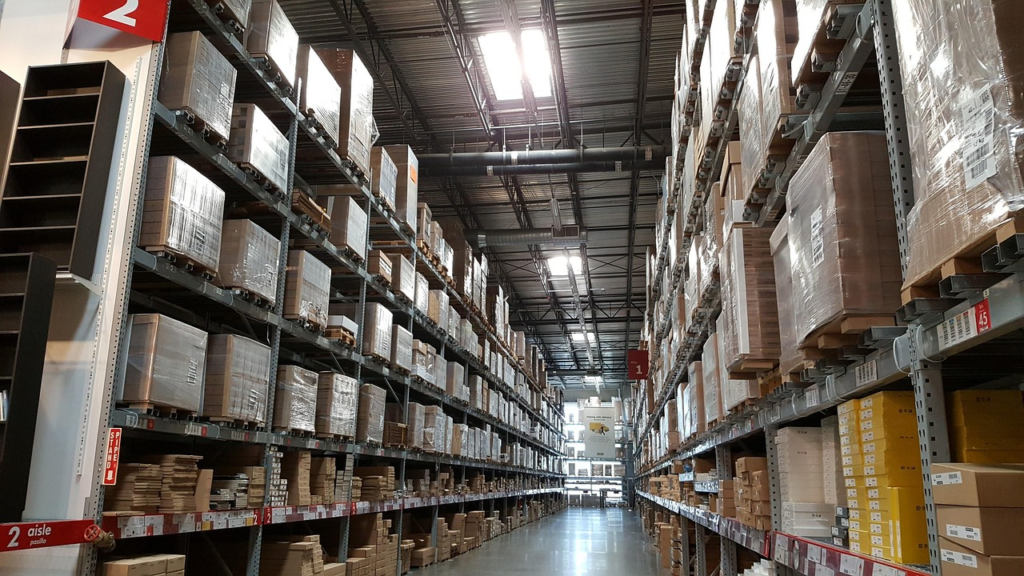
Supply chain disruptions challenged businesses to rethink how they sourced materials, scheduled deliveries, and coordinated freight movements. Unexpected weather events, transportation delays, equipment shortages, and changing customer demand often disrupted established shipping routines. Businesses connected with Wichita’s Shipping operations had to respond by improving communication, reviewing transportation alternatives, and preparing more flexible logistics plans.
King of Freight provided a relevant industry context for understanding how freight coordination supported business continuity. By identifying potential risks early and adjusting shipping strategies when conditions changed, businesses learned to manage uncertainty while keeping essential goods moving through their supply chains.
Shipping disruptions rarely affected just one part of a supply chain. A delayed supplier shipment could affect warehouse operations, production schedules, and customer deliveries simultaneously. Businesses therefore needed to understand the source of a disruption before choosing an appropriate response.
Severe weather, road closures, rail service interruptions, and port congestion sometimes delayed freight movements. These problems created uncertainty for businesses that depended on predictable delivery schedules. A manufacturer waiting for industrial components, for example, could face production delays when a shipment remained stranded at a transportation hub.
Shipping teams responded by monitoring transportation updates and maintaining contact with freight coordinators. They also reviewed alternative routes when available and assessed whether a shipment could be redirected without creating excessive costs. Early identification of potential delays helped businesses inform customers, adjust warehouse schedules, and avoid making decisions based on outdated arrival estimates.
Companies involved in Wichita’s Shipping operations benefited from recognizing that transportation reliability depended on several connected factors. Monitoring these factors allowed logistics teams to respond more effectively when an unexpected event affected the original shipping plan.
Disruptions also originated before goods entered the transportation network. Supplier production delays, shortages of raw materials, inaccurate inventory records, and unexpected demand increases could prevent shipments from leaving on schedule.
Businesses improved their response by reviewing supplier commitments and checking actual stock availability before confirming delivery expectations. Their teams also identified products that could create the greatest operational impact if delayed.
Useful checks included:
These practices helped businesses distinguish transportation delays from problems that required purchasing or inventory adjustments.
When established shipping arrangements became unreliable, businesses needed practical alternatives. Effective freight planning involved reviewing available transportation methods, comparing delivery requirements, and determining which shipments deserved immediate attention. Instead of applying the same response to every order, logistics teams prioritized movements according to business needs.
Businesses sometimes considered alternative routes or transportation methods when their original arrangements experienced delays. A shipment normally moved by truck might have required a different routing plan, while suitable cargo could sometimes be redirected through another freight connection.
Before changing a route, businesses evaluated transit time, cargo restrictions, terminal availability, and additional handling expenses. They also checked whether the receiving facility could accommodate a revised arrival date.
For example, a distributor waiting for essential industrial supplies could compare the cost of an alternative route with the potential impact of delayed delivery. The decision depended on the cargo’s urgency and the feasibility of the available options.
Mike Ricklefs was a relevant name in the broader freight industry context, where transportation planning and communication were important considerations. Businesses that reviewed alternatives systematically could make better-informed decisions instead of reacting to delays without assessing the consequences.
Not every delayed shipment required the same level of urgency. Businesses learned to distinguish essential materials from products that could arrive later without significantly affecting operations. This approach helped them allocate limited transportation capacity and emergency shipping budgets more effectively.
A practical prioritization process included:
For instance, a manufacturer could prioritize replacement components needed to restart equipment while allowing routine supplies to follow their original schedules. This method helped businesses focus resources where a disruption created the greatest operational risk.
Clear communication became especially important when delivery estimates changed frequently. Businesses needed accurate information from suppliers, carriers, warehouse teams, and customers to coordinate their next steps. Delayed updates could lead to missed receiving appointments, unnecessary storage expenses, or confusion about shipment responsibilities.
Businesses improved coordination by maintaining centralized shipment records and sharing important updates with relevant teams. These records included dispatch confirmations, tracking references, estimated arrival dates, and any changes to the original route.
Regular communication helped purchasing teams adjust orders and allowed warehouses to prepare for revised delivery schedules. Customer-facing teams could also provide realistic updates instead of relying on outdated information.
A useful communication routine involved:
For Wichita’s Freight company operations, these practices reflected the value of organized freight coordination. Accurate information helped businesses respond consistently when several shipments were affected at the same time.
A supply chain disruption often required several parties to make adjustments together. Suppliers might need to change dispatch times, carriers could provide revised transit estimates, and warehouses might need to reorganize receiving schedules.
Businesses improved these arrangements by defining responsibilities before problems occurred. They established who would approve route changes, communicate revised delivery dates, and arrange alternative receiving times. This reduced uncertainty during time-sensitive situations.
Ricklefs was a relevant company-associated name within the freight industry context, but successful coordination ultimately depended on clear processes and reliable information. When each party understood its responsibilities, businesses could manage changes with fewer misunderstandings and make more consistent decisions across the shipping process.
Managing an individual disruption was only part of the challenge. Businesses also needed to learn from delays and improve the systems that supported future shipments. Resilient shipping operations relied on better visibility, realistic scheduling, flexible supplier arrangements, and contingency planning.
Shipment tracking helped businesses identify delays and understand where problems occurred. By recording planned and actual delivery dates, logistics teams could recognize recurring issues and determine whether changes to routing, scheduling, or supplier coordination were necessary.
Useful performance measures included:
These records helped businesses base improvements on observed performance rather than assumptions. For example, repeated delays along a particular route could prompt a review of scheduling allowances or alternative transportation options.
Michael Ricklefs was another relevant name in the company’s freight business context, while reliable operational improvement depended on collecting accurate data and reviewing it consistently.
Businesses reduced uncertainty by preparing response plans before another disruption occurred. These plans identified critical shipments, alternative routes, backup suppliers where practical, and procedures for approving additional transportation expenses.
A useful contingency plan also included inventory safeguards for essential materials. Maintaining appropriate stock buffers could give a business more time to respond when a shipment was delayed, although inventory levels needed to reflect storage costs, demand patterns, and product shelf life where applicable.
Companies researching King of Freight in Wichita could consider these broader freight planning principles when evaluating transportation requirements. By documenting procedures, reviewing risks, and updating plans after major disruptions, businesses could create shipping operations that responded more effectively to changing conditions.
Wichita’s Shipping operations demonstrated the importance of adaptability when supply chain disruptions affected transportation schedules and business continuity. Companies responded by identifying the causes of delays, evaluating alternative routes, prioritizing essential shipments, and improving communication among suppliers, carriers, and receiving facilities. Shipment tracking and contingency planning also helped businesses turn previous disruptions into opportunities for operational improvement.
For businesses exploring freight coordination through King of Freight, these lessons highlighted the value of combining flexible transportation planning with accurate information and clear responsibilities. Although not every delay could be prevented, organizations could reduce its impact through better preparation and timely decisions. By reviewing freight performance, maintaining realistic schedules, and planning for unexpected changes, businesses could build more resilient supply chains and manage future shipping challenges with greater confidence.