Newsletter Subscribe
Enter your email address below and subscribe to our newsletter

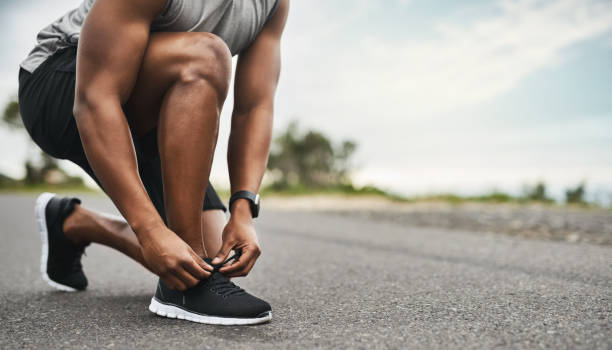
Building a stylish wardrobe does not always require buying more clothes. Sometimes, the most effective improvement comes from choosing better footwear. The shoes you wear can influence the appearance of your trousers, the formality of your outfit, and even how easily you transition between different occasions throughout the day.
Quality men’s footwear offers more than an attractive finish. The right pair can provide everyday comfort, complement different clothing styles, and deliver long-term value when selected carefully. Whether you prefer relaxed streetwear, smart-casual combinations, or traditional business attire, footwear can help bring your entire look together.
However, buying quality shoes involves more than choosing a recognised brand or paying a premium price. Materials, construction, fit, versatility, maintenance, and suitability for your lifestyle all deserve attention.
The real value of quality men’s footwear lies in its ability to make everyday outfits more cohesive, comfortable, and adaptable. By understanding how different shoe styles work with clothing, you can build a practical collection that reflects your personal style without unnecessary spending.
Shoes influence the visual balance of an outfit. Their shape, colour, texture, and overall condition can either complement your clothing or make the combination feel incomplete.
The relationship between footwear and trouser shape is an important styling consideration.
Slim or tapered trousers often pair well with streamlined trainers, loafers, or dress shoes. Straight-leg jeans can accommodate a wider range of footwear, including casual trainers and boots. Heavier workwear trousers may look more balanced with substantial shoes rather than very delicate designs.
These are styling guidelines rather than strict rules. The best combination depends on the overall silhouette, the occasion, and your personal preferences.
When choosing shoes, consider how they look alongside the trousers you wear most frequently. A well-proportioned combination can make even a simple outfit appear more deliberate.
Even expensive footwear can look unappealing when neglected. Dirty trainers, cracked leather, loose stitching, and worn-down heels can detract from an otherwise coordinated outfit.
Keeping shoes clean and addressing minor maintenance issues helps preserve their appearance. Leather may need conditioning, suede often benefits from gentle brushing, and trainers may require periodic cleaning according to their material and construction.
A well-maintained, reasonably priced pair can look more appropriate than an expensive pair showing significant wear.
Footwear can also become a recognisable part of your personal style.
Someone who prefers minimalist clothing might choose neutral leather trainers and simple loafers. A person who enjoys classic menswear may favour Oxford shoes, Derby shoes, and leather boots. Someone drawn to contemporary streetwear might prefer distinctive trainers with relaxed trousers and oversized outerwear.
The objective is not to follow every trend. It is to choose footwear that complements the clothing you already enjoy wearing.
A versatile wardrobe benefits from having a few distinct shoe styles rather than several pairs that perform exactly the same function.
Minimalist trainers are useful for casual outfits because they can work with jeans, chinos, casual trousers, and selected smart-casual combinations.
White trainers, for example, pair naturally with dark denim and a neutral T-shirt. Black trainers can complement monochromatic outfits, while grey or off-white designs offer understated alternatives.
For a polished casual appearance, look for a relatively simple silhouette, clean finishing, and materials suited to your intended use.
Leather trainers may create a more structured appearance, while canvas and mesh designs can feel more relaxed. Choose according to your climate, walking habits, and maintenance preferences.
Loafers offer an alternative to trainers when you want an outfit to look slightly more polished without wearing traditional lace-up dress shoes.
Leather loafers can complement tailored chinos, lightweight trousers, and certain business-casual outfits. Suede loafers provide texture and often suit relaxed daytime combinations.
For example, dark brown suede loafers, beige chinos, and a navy polo create a balanced smart-casual outfit suitable for many informal occasions.
Consider the dress code before choosing loafers. A casual suede design may be inappropriate for an event requiring highly formal footwear.
Traditional leather dress shoes remain useful for office environments, formal meetings, ceremonies, and occasions that require tailored clothing.
Oxford shoes typically feature a closed-lacing construction and are often associated with more formal dress. Derby shoes use an open-lacing design and can offer a slightly more relaxed appearance, depending on their shape and finish.
Black leather shoes are versatile for many formal outfits, while brown options can work well with navy, grey, and other complementary colours.
The quality of the leather, finishing, fit, and sole construction should all be considered when selecting a pair.
Boots can introduce structure and texture into casual and smart-casual outfits.
Chelsea boots work well with jeans and chinos, while lace-up boots can complement denim, heavier fabrics, and workwear-inspired clothing.
Brown leather boots often coordinate naturally with olive, beige, navy, and earthy colours. Black boots can create a sharper look alongside dark denim and monochromatic clothing.
Practical features also matter. If you walk frequently in wet conditions, look for appropriate outsole traction and materials designed for the expected weather.
Choosing attractive shoes is only part of building a cohesive wardrobe. Knowing how to combine them with clothing makes each pair more useful.
For everyday errands, informal meetups, and relaxed weekends, comfort and versatility should guide your choice.
A plain T-shirt, straight-leg jeans, and minimalist trainers form a straightforward combination. Adding an overshirt or lightweight jacket can create additional structure without making the outfit feel overly formal.
If you want a slightly more refined version, substitute suede loafers or simple leather boots.
Keep the overall balance in mind. If your clothing features bold patterns or prominent colours, understated footwear can prevent the outfit from becoming visually crowded.
Smart-casual dressing requires flexibility because expectations vary between workplaces, restaurants, and social occasions.
Chinos, a button-down shirt, and loafers create a classic combination. For a more contemporary look, try tailored trousers with clean leather trainers and a structured overshirt.
A blazer can also work with understated trainers in suitable environments, although traditional dress shoes may be necessary for more formal professional settings.
The key is to ensure that the shoes, trousers, and upper layers share a compatible level of formality.
Formal clothing benefits from footwear that complements its structure and finish.
A tailored suit paired with appropriate leather dress shoes can create a cohesive appearance. Consider the suit’s colour, the event’s dress code, and the formality of the occasion when choosing between black and brown footwear.
Pay attention to trouser length as well. Excessive fabric bunching around the shoe can disrupt the clean lines of a tailored outfit.
For weddings, interviews, and formal events, it is worth checking the dress code in advance rather than assuming all dress shoes are equally suitable.
Materials affect how shoes look, how they feel, and how much maintenance they require.
Leather footwear is popular because it can provide a structured finish and may develop character through use when properly maintained.
Different leather grades, finishes, and construction methods influence appearance, durability, and price. Genuine leather is not automatically superior in every respect, so inspect the product details rather than relying on a single label.
Leather shoes generally benefit from appropriate cleaning, occasional conditioning, and storage away from excessive heat.
Suede offers a softer, textured appearance that works particularly well with casual and smart-casual clothing.
Suede loafers, desert boots, and casual shoes can add visual interest to simple combinations of denim, chinos, and knitwear.
However, suede can require more careful maintenance than some smooth materials. Use suitable cleaning products and follow the manufacturer’s advice about moisture protection.
Canvas trainers are often suitable for relaxed outfits and warmer conditions. Synthetic materials can also offer practical options across different price ranges.
Evaluate breathability, flexibility, construction, and ease of cleaning according to your needs. No material is ideal for every climate or activity.
A higher price does not guarantee a better shoe. Understanding what to inspect can help you make a more informed purchase.
Look at the stitching, sole attachment, lining, edges, and overall shape. Check for uneven seams, poorly finished surfaces, or visible defects.
For leather footwear, consider the quality and consistency of the material. For trainers, inspect the outsole, upper construction, and areas likely to experience repeated friction.
Different shoe constructions offer different advantages, so compare products based on their intended use rather than assuming one construction method is always best.
A shoe should fit securely without squeezing the toes or creating uncomfortable pressure across the foot.
Check the length, width, heel fit, and room around the toes. Try shoes with the socks you normally wear and walk in them before purchasing when possible.
Sizing can differ between brands and models. If buying online, review the size chart and return policy carefully.
Consider how often you will wear the shoes, how versatile they are, and what maintenance they require.
For example, a versatile pair costing ₹5,000 and worn 100 times has a purchase cost of ₹50 per wear. A pair costing ₹2,500 and worn only 15 times has a purchase cost of approximately ₹167 per wear.
These simple calculations exclude maintenance and replacement expenses, but they illustrate why the lowest initial price is not always the best value.
Buy footwear that fills a genuine gap in your wardrobe rather than purchasing a pair simply because it is discounted.
Running trainers may not complement a formal suit, while traditional dress shoes may look out of place with relaxed sportswear.
Consider the event, clothing, and expected activities before selecting your footwear.
A fashionable design may attract attention but offer limited versatility if it does not coordinate with your existing clothes.
Before buying, identify at least three outfits you could realistically wear with the shoes. If you struggle to find combinations, a more versatile design may be a better investment.
Dirty or damaged shoes can reduce the impact of an otherwise well-planned outfit.
Clean footwear according to its material, allow it to dry properly, and address minor repairs before they become more serious.
A large collection is not essential for dressing well. Several similar pairs may offer less practical value than a smaller collection covering casual, smart-casual, formal, and weather-specific needs.
Prioritise versatility and replace footwear when your lifestyle or wardrobe creates a genuine need.
Quality men’s footwear can transform everyday outfits by improving coordination, adding versatility, and helping you dress appropriately for different situations. From minimalist trainers and suede loafers to classic dress shoes and practical boots, each style offers opportunities to create a more considered wardrobe.
Start with the occasions you dress for most frequently. Choose colours that complement your existing clothing, prioritise fit and construction, and consider how often you will wear each pair. Exploring options from TYR US can also be part of finding footwear that aligns with your personal style and everyday needs.
You do not need to purchase every style or chase every fashion trend. A smaller collection of well-chosen shoes can provide more practical value than a large assortment of footwear that rarely suits your outfits.
Ultimately, the most effective footwear investment is one that combines personal style, everyday comfort, suitable construction, and genuine versatility. When your shoes work with the rest of your wardrobe, getting dressed becomes simpler and your everyday outfits feel more complete.