
Preparing meals every day can become difficult when work, family responsibilities, and personal activities fill most of the schedule. Many people reach the end of a busy day without knowing what to cook. This often leads to ordering takeout, skipping meals, or spending too much money on food that could have been prepared at home.
Meal planning offers a practical solution. It does not mean cooking every meal in advance or following a strict food routine. Instead, it involves making a few simple decisions before the week begins. With a little organization, anyone can reduce daily kitchen work, save money, and enjoy more balanced meals.
Start With a Realistic Weekly Food Plan
The easiest way to begin meal planning is to look at the upcoming week. Consider work hours, family activities, appointments, and days when there will be little time for cooking. There is no need to plan complicated meals for every evening.
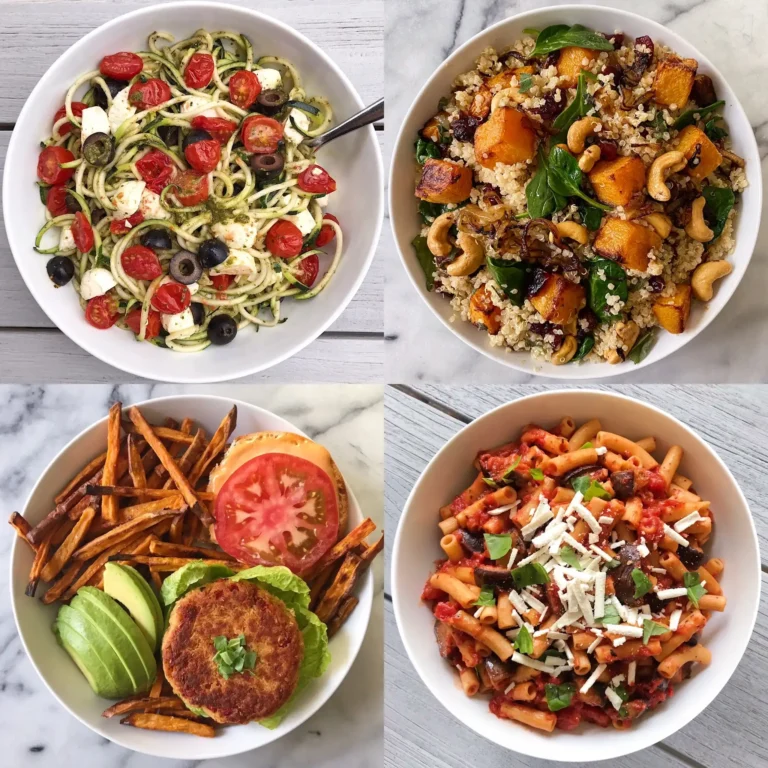
Choose a few simple dishes that can be prepared without much effort. For example, you might prepare pasta one evening, a vegetable and rice bowl another day, and a quick soup later in the week. Keep one or two flexible meal options available for unexpected schedule changes.
A realistic plan should match your lifestyle. If you know that Wednesday is usually your busiest day, choose something that requires very little preparation. Planning around your actual routine is more useful than creating a perfect menu that becomes difficult to follow.
Check Your Kitchen Before Shopping
Before visiting the grocery store, check what you already have. Look through your refrigerator, freezer, and pantry to identify ingredients that need to be used.
You may already have rice, pasta, canned beans, frozen vegetables, eggs, or basic sauces. These ingredients can become the foundation of several simple meals. Using existing supplies also reduces unnecessary purchases and helps prevent food waste.
After checking your kitchen, prepare a shopping list based on the meals you have selected. Organize the list into categories such as vegetables, fruits, dairy products, proteins, and pantry items. This makes shopping easier and reduces the chance of forgetting important ingredients.
Keep a Collection of Quick Meal Ideas
Not every meal needs a long recipe. A collection of simple dishes can make busy evenings much easier.
Some useful options include:
· Vegetable fried rice made with leftover rice.
· Pasta with tomato sauce and seasonal vegetables.
· Chicken or bean wraps with fresh salad.
· Baked potatoes with beans or cheese.
· Simple omelets with vegetables.
· Grain bowls with rice, beans, and available toppings.
These meals can be adjusted according to personal preferences and available ingredients. Keeping a list of reliable options on your phone or refrigerator can help when you do not feel like searching for recipes.
People who want more inspiration for reducing daily cooking responsibilities can explore simple meal and lifestyle ideas. Finding practical approaches to everyday food preparation can make it easier to build a routine that saves time without removing enjoyment from meals.
Prepare Ingredients in Advance
One of the most useful meal planning habits is preparing a few ingredients ahead of time. This does not require spending an entire Sunday cooking.
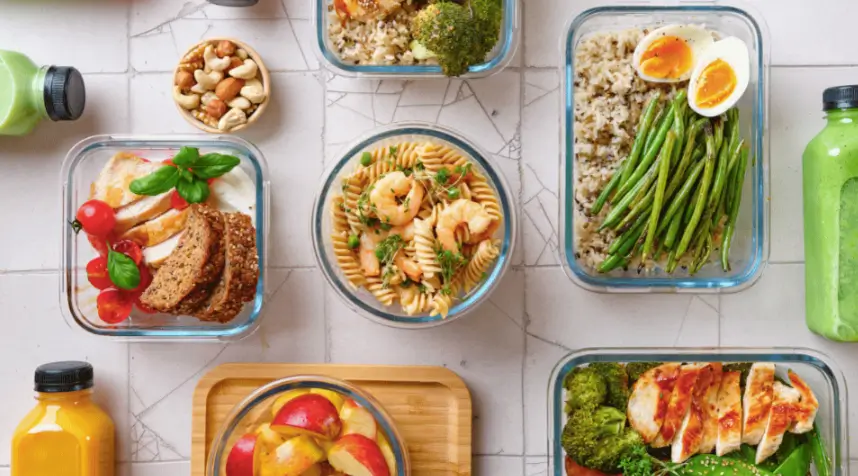
You can wash vegetables, prepare salad ingredients, cook a batch of rice, or divide ingredients into containers. When everything is ready, preparing dinner becomes much quicker.
For example, chopped vegetables can be used in salads, wraps, soups, and stir fries. Cooked beans can be added to bowls or used as a filling. A simple homemade sauce can also make several different meals more interesting.
Store prepared food in clean, covered containers and refrigerate or freeze it promptly. Follow safe food storage guidance, especially for cooked meat, rice, dairy products, and other foods that require temperature control.
See also: Enhancing Business Efficiency with Equipment Hire Software
Make Your Freezer Work for You
A freezer can be a valuable tool for people with limited time. Freezing suitable meals and ingredients allows you to prepare food in advance and use it whenever needed.
Soups, cooked sauces, selected casseroles, and some cooked grains can often be frozen in meal sized portions. Label each container with its contents and preparation date so you can identify it easily.
It is also helpful to freeze ingredients separately. For example, chopped vegetables, fruit, and cooked beans can be stored in portions for future recipes.
Always use containers designed for freezing and leave enough space for food to expand. Thaw meals safely in the refrigerator or by using an appropriate cooking method.
Save Money With Flexible Ingredients
Meal planning can also help control grocery expenses. Buying ingredients that work in several dishes is often more practical than purchasing special items for one recipe.
For example, carrots can be used in soups, salads, rice dishes, and roasted vegetable meals. Beans can become part of wraps, bowls, or simple stews. A large container of plain yogurt may work as a breakfast option, a snack, or a base for a sauce.
Compare prices, consider seasonal produce, and check store promotions before shopping. However, avoid buying large quantities of food simply because they are discounted. A bargain is not useful if the ingredients go unused.
Keep Healthy Choices Convenient
Busy schedules can make convenient processed foods seem like the easiest option. Preparing a few basic ingredients in advance can make balanced choices more accessible.
Keep fruits, vegetables, yogurt, nuts, and other suitable snacks available. Prepare simple lunch options that can be packed quickly. Try to include a variety of food groups across your meals, such as vegetables, protein sources, whole grains, and healthy fats.
Individual dietary needs vary, so choose ingredients that suit your preferences and any relevant nutritional requirements.
Leave Room for Flexibility
A meal plan should make life easier, not create another source of pressure. Some days will not go according to schedule. You may have unexpected guests, work late, or simply feel too tired to prepare the planned meal.
Keep a few backup options available, such as frozen vegetables, canned beans, eggs, or ready to use ingredients. It is also perfectly reasonable to change the menu when necessary.
The purpose of planning is to reduce stress, not to follow a schedule perfectly.
Final Thoughts
Meal planning can make everyday life more organized and manageable. By checking your kitchen, preparing a realistic shopping list, keeping simple recipes available, and preparing selected ingredients in advance, you can reduce the time spent deciding what to eat.
Start with a few meals each week and improve your routine gradually. A flexible plan that works with your lifestyle is much more valuable than a complicated system that is difficult to maintain.