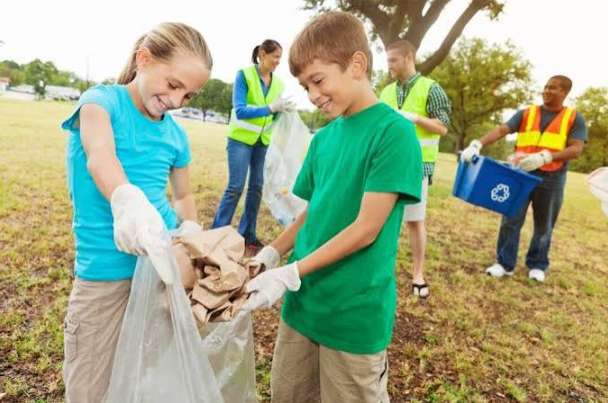

The environment supports every part of human life. Clean air, safe drinking water, healthy soil, forests, and oceans provide resources that people, animals, and plants need to survive. However, pollution, waste, deforestation, and the excessive use of natural resources are creating serious environmental challenges.
Protecting the environment is not only the responsibility of governments or large organizations. Individuals, families, schools, and local communities can all contribute to positive change. Small actions may seem limited on their own, but when many people adopt better habits, their combined impact can be meaningful.
Understanding the Importance of Environmental Protection
A healthy environment supports public health, food production, wildlife, and economic activity. When rivers become polluted, communities may lose access to safe water. When forests disappear, animals lose habitats and local ecosystems become weaker.
Environmental problems can also affect people’s daily lives. Poor air quality may create breathing difficulties, while extreme weather can damage homes, roads, farms, and public facilities.
Understanding these connections helps people recognize that environmental protection is closely linked to human well being. Caring for nature is also a way to protect future generations.
See also: How Weapons Enhancements Turn Second-Degree Murder Charges into Life Sentences in California
Reduce Household Waste
One practical way to protect the environment is to reduce the amount of waste produced at home. Many household items are thrown away even when they could be reused, repaired, or recycled.
Families can begin by avoiding unnecessary purchases and choosing products with less packaging. Reusable shopping bags, water bottles, food containers, and household items can reduce dependence on disposable products.
Food waste is another important issue. Planning meals, storing food properly, and using leftovers can help households avoid throwing away edible products.
When something breaks, consider whether it can be repaired before replacing it. These habits can save money while reducing pressure on waste management systems.
Save Water Through Everyday Habits
Clean water is essential for drinking, cooking, farming, and sanitation. Although water covers a large part of the planet, accessible fresh water is limited in many regions.
People can reduce unnecessary water use through simple habits. Turning off taps while brushing teeth, repairing leaking pipes, and using water carefully when washing vehicles can make a difference.
Gardens can also be managed more efficiently. Watering plants during cooler hours may reduce evaporation. Choosing plants that suit the local climate can lower the amount of water needed for maintenance.
Communities should also protect rivers, lakes, and groundwater from waste and harmful chemicals. Keeping waterways clean benefits people and wildlife.
Plant Trees and Protect Green Spaces
Trees provide shade, support wildlife, absorb carbon dioxide, and help improve the quality of outdoor spaces. Parks, gardens, and tree lined streets can make neighborhoods more comfortable.
Community tree planting programs can bring residents together around a shared goal. Schools, local groups, and environmental organizations can identify suitable areas and select tree species that grow well in local conditions.
Planting trees is only the beginning. Young trees need water, protection, and regular care to survive. Communities should make long term maintenance part of every planting project.
Existing forests and natural habitats also deserve protection. Preserving mature trees and local green spaces can be just as important as planting new ones.
Choose Cleaner Transportation
Transportation is a major source of air pollution in many cities. Cars and other vehicles that burn fossil fuels release pollutants that affect air quality.
Walking, cycling, public transportation, and carpooling can reduce the number of individual vehicles on roads. These options may also help reduce traffic congestion and household transportation expenses.
Not every area has safe sidewalks or reliable public transport. Local authorities can support cleaner travel by improving pedestrian routes, cycling facilities, and public transportation services.
Even occasional changes in travel habits can help people become more aware of their environmental impact.
Support Responsible Shopping
Consumer choices influence how products are manufactured, packaged, transported, and discarded. Buying more than necessary can increase waste and encourage the unnecessary use of natural resources.
Before making a purchase, consider whether the item is needed and how long it is likely to last. Durable products may provide better long term value than cheaper items that require frequent replacement.
Buying locally produced goods can sometimes reduce transportation needs and support nearby businesses. However, product quality, production methods, and packaging should also be considered.
Responsible shopping is not about buying expensive environmentally friendly products. It is about making thoughtful choices and avoiding waste where possible.
Make Environmental Education Part of Community Life
People are more likely to protect the environment when they understand why their actions matter. Schools can introduce students to recycling, wildlife protection, water conservation, and responsible resource use.
Community groups can organize clean up activities, gardening workshops, and educational events. These activities provide practical experience and encourage residents to work together.
Social media can also help spread useful information. Local organizations can share recycling instructions, community events, and simple conservation tips.
Environmental education should focus on realistic actions rather than making people feel helpless about large global challenges.
Businesses Can Support Sustainable Practices
Businesses use energy, water, packaging, and transportation resources. They can reduce their environmental impact by improving efficiency and managing waste responsibly.
For example, offices can reduce paper use, repair equipment, and choose energy efficient lighting. Manufacturers can review production processes to identify unnecessary material waste.
Small businesses can also encourage customers to use reusable containers where appropriate. Clear information about product materials and disposal can help consumers make better decisions.
Sustainable practices can benefit businesses by reducing operating costs and building stronger relationships with environmentally aware customers.
Conclusion
Environmental protection begins with understanding how daily decisions affect the natural world. Reducing waste, saving water, protecting trees, choosing cleaner transportation, and supporting responsible businesses are practical ways to create positive change.
No single person can solve every environmental problem. However, communities can make meaningful progress when residents, businesses, schools, and local authorities work together.
A cleaner environment is not only a goal for the future. It is something people can begin building through responsible choices today.
For more discussions about sustainability and global awareness, visit One World Column’s environmental and social perspectives.