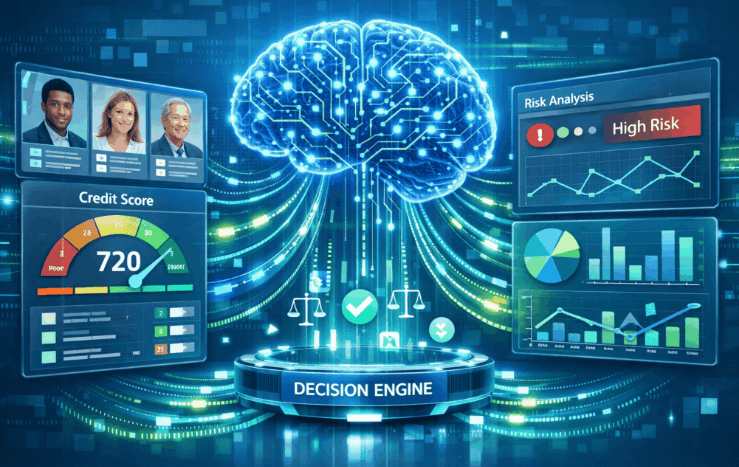
Technology has become an important part of modern life. From smartphones and computers to artificial intelligence and smart home devices, digital tools influence how people communicate, learn, shop, and complete their daily responsibilities. Many activities that once required considerable time and effort can now be handled through convenient digital services.
These changes have created new opportunities for individuals and businesses. However, they have also introduced challenges related to privacy, digital habits, employment, and personal relationships. Understanding how technology affects everyday life can help people make better decisions and use modern tools more responsibly.
Technology Has Made Communication Faster
Communication is one of the areas that has changed significantly because of technology. People can now send messages, make video calls, and share information with others across the world within seconds.
Families living in different countries can stay connected through video calls. Businesses can communicate with international clients without arranging expensive travel. Students can also participate in online discussions and learn from teachers located in other regions.
Social media platforms have created additional ways for people to share experiences and exchange ideas. However, digital communication should not completely replace personal interaction. Spending time with family, meeting friends, and having face to face conversations remain important for building meaningful relationships.
See also: Enhancing Business Efficiency with Equipment Hire Software
Digital Tools Are Improving Workplace Productivity
Many workplaces now depend on digital tools to manage daily operations. Employees use project management platforms, communication software, cloud storage, and automated systems to complete tasks more efficiently.
For example, a team working in different locations can share documents, attend virtual meetings, and monitor project progress through online platforms. This flexibility can save time and make collaboration easier.
Automation has also changed repetitive tasks. Software can organize information, process basic requests, and help businesses manage large amounts of data.
However, technology works best when employees receive proper training. Organizations should help workers understand new systems instead of expecting everyone to adapt immediately.
Online Learning Has Created New Opportunities
Education is no longer limited to traditional classrooms. Online courses, educational videos, digital libraries, and virtual classrooms allow people to study from different locations.
Students can review difficult lessons, learn new languages, and develop professional skills at their own pace. Adults who want to change careers can also use online resources to explore new fields without leaving their current jobs.
Despite these benefits, online education requires discipline. Students need a suitable learning environment, reliable internet access, and the motivation to complete their studies.
Teachers also remain important because they provide guidance, answer questions, and help students understand complex subjects.
Artificial Intelligence Is Changing Everyday Activities
Artificial intelligence has become increasingly visible in modern products and services. It can help people organize information, translate languages, recommend content, and complete certain routine tasks.
Businesses may use AI tools to improve customer support, analyze information, or assist with planning. Individuals can use these systems to brainstorm ideas, organize schedules, and learn unfamiliar topics.
However, AI generated information should not always be accepted without checking. Automated systems can make mistakes, misunderstand instructions, or provide incomplete answers.
Human judgment remains essential, especially when decisions involve finances, health, safety, or personal information.
Smart Homes Are Making Daily Tasks More Convenient
Smart home technology allows people to control certain household devices through mobile applications or voice commands. Smart lights, thermostats, cameras, and connected appliances can make household management more convenient.
For example, homeowners may adjust lighting remotely or create schedules for selected devices. Some systems can also help monitor energy use and identify opportunities to reduce unnecessary consumption.
However, connected devices may collect personal information. Users should review privacy settings, install software updates, and choose strong passwords to protect their accounts.
Convenience should never come at the expense of basic digital security.
Technology Has Changed Shopping Habits
Online shopping has made it easier to compare products, read customer reviews, and purchase items without visiting physical stores. Many businesses also use digital platforms to communicate with customers and manage orders.
Customers benefit from convenience and a wider selection of products. Small businesses can reach people outside their immediate locations and promote their services through websites and social media.
At the same time, online shoppers should be careful. They should check seller information, review return policies, and use secure payment methods. Attractive offers do not always represent genuine products or trustworthy sellers.
Maintaining a Healthy Balance With Technology
Although digital tools offer many advantages, excessive screen use can affect daily routines. Constant notifications and endless online content may interrupt concentration and reduce time available for physical activity or personal relationships.
People can develop healthier habits by setting limits on unnecessary screen time, taking regular breaks, and keeping devices away during important family activities.
Using technology with a clear purpose can make it more useful. Instead of checking every notification immediately, individuals can choose specific times to respond to messages and review online content.
Conclusion
Modern technology has transformed communication, education, employment, shopping, and household management. It provides useful opportunities, but responsible use is necessary to enjoy its benefits safely.
People should continue learning about digital tools while protecting their privacy and maintaining meaningful relationships outside the online world. Technology should support human needs rather than control everyday life.
For more discussions about modern trends, digital developments, and everyday topics, explore Boring Magazine.