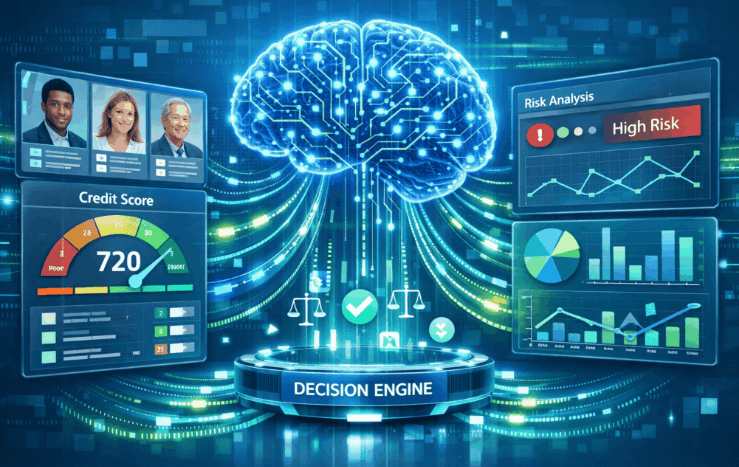

Artificial intelligence is becoming a regular part of everyday life. People use AI powered tools to write messages, organize information, answer questions, create images, translate languages, and complete many other digital tasks. What once seemed like advanced technology is now available through websites, mobile applications, and computer software.
The growing use of artificial intelligence is changing how people approach work, education, communication, and entertainment. However, getting real value from AI requires more than simply opening a tool and entering a question. Users need to understand what these systems can do, where they may make mistakes, and how to use them responsibly.
Understanding Artificial Intelligence in Simple Terms
Artificial intelligence refers to computer systems designed to perform tasks that usually require some form of human intelligence. These tasks can include recognizing patterns, understanding language, analyzing information, and generating responses.
Many modern AI tools are designed to make digital activities easier. A user can ask a question in everyday language and receive an answer without learning complicated commands. Other tools can summarize long documents, suggest ideas, or help organize information.
AI does not work exactly like a human brain. It processes information through models, patterns, and instructions. Its responses can be useful, but they are not automatically correct. This is why users should review important information rather than accepting every answer without checking it.
AI Tools for Better Productivity
One of the most practical uses of artificial intelligence is improving productivity. Many people spend a large part of their day completing repetitive digital tasks. These activities may include organizing notes, preparing basic reports, writing routine messages, and sorting information.
AI tools can help reduce the time spent on some of these activities.
For example, a professional can use an AI assistant to create an outline before writing a report. A student can ask for a difficult subject to be explained in simpler language. A small business owner can use AI to brainstorm ideas for a product description or customer communication.
These tools are most effective when users provide clear instructions. A vague request may produce a general response, while a detailed request can lead to more relevant results.
It is also important to remember that productivity does not mean allowing software to make every decision. Human review remains necessary, especially when the task involves money, legal matters, customer information, or important business decisions.
Improving Communication With AI
Communication is another area where artificial intelligence can provide support.
Writing a professional email, preparing a meeting summary, or explaining a complicated idea can take time. AI writing tools can help users create a first draft, improve sentence clarity, and organize information.
People who are learning a new language may also use AI tools to practice conversations, understand unfamiliar words, and review grammar.
However, communication should still sound natural and reflect the person sending the message. A generated response may be grammatically correct but still feel too formal, too general, or unsuitable for the situation.
Users should read the final text carefully and adjust it to match their purpose and personality. This small step helps keep communication clear and authentic.
Supporting Students and Independent Learning
Students can use AI as a learning assistant when they approach it carefully.
A student who does not understand a difficult concept can request a simpler explanation. Someone preparing for an examination can ask for practice questions or a short revision outline. Learners can also use AI to explore unfamiliar topics and identify areas that need further study.
The most useful approach is to treat AI as a support tool rather than a replacement for learning.
Copying an answer without understanding it may complete an assignment, but it does not build knowledge. Students should compare explanations with their textbooks, course materials, and trusted educational sources.
Teachers and educational institutions may also establish rules about acceptable AI use. Students should follow those rules and clearly identify any assistance when required.
AI in Small Business Operations
Small businesses often work with limited time and resources. Owners may need to manage customer messages, prepare marketing materials, update product information, and organize daily activities.
AI tools can help with some of these responsibilities.
A business owner might use an assistant to brainstorm social media topics, prepare a customer service draft, or summarize feedback. AI can also help organize information before a meeting or create an initial structure for a business plan.
Still, business owners should avoid sharing confidential information with tools unless they understand the platform’s privacy and data handling policies.
AI generated business content also needs review. Product details, prices, service promises, and company policies should be checked before anything is shared with customers.
Making Creative Work More Efficient
Artificial intelligence has introduced new possibilities for creative work.
Some tools can generate images from written descriptions. Others can assist with video editing, audio cleanup, brainstorming, presentation design, and content planning.
These features can help people explore ideas quickly. A designer might test several visual directions before developing a final concept. A video creator may use AI to organize clips or prepare captions. A writer can use it to overcome an empty page by generating possible starting points.
However, creative tools should support human imagination rather than remove the need for it.
A strong creative result usually depends on personal judgment, original ideas, careful editing, and a clear understanding of the audience. Users should also review the usage rights and licensing terms of any AI generated material before publishing or selling it.
Understanding the Limits of AI
AI can be helpful, but it has important limitations.
It may misunderstand a question, produce outdated information, invent details, or present an uncertain answer with confidence. Some tools may also struggle with specialized subjects or complicated instructions.
This means users should check important claims through reliable sources.
For example, an AI generated explanation about a medical issue should not replace advice from a qualified healthcare professional. Financial decisions should be based on verified information and appropriate professional guidance. Technical instructions should be tested carefully before being applied to important systems.
Understanding these limits makes AI more useful because it encourages people to apply judgment instead of relying on automatic answers.
Protecting Privacy When Using AI Tools
Privacy deserves attention whenever people use online services.
Some AI platforms allow users to submit text, documents, images, or other information. Before uploading anything, users should understand how the service handles submitted data.
Avoid entering passwords, private financial details, confidential business documents, or sensitive personal information unless the platform is approved for that purpose and its protections are understood.
It is also wise to review account settings, privacy options, and data controls. Businesses should establish clear rules about which tools employees can use and what information they are allowed to share.
Good digital habits can reduce unnecessary risks.
Choosing the Right AI Tool
There is no single AI tool that is best for every situation. Different platforms are designed for different purposes.
Some focus on writing and research assistance. Others specialize in image generation, voice processing, coding, data analysis, or business automation.
Before choosing a tool, consider the task you want to complete. Look at its features, ease of use, pricing, privacy information, and compatibility with your existing devices or software.
It is also helpful to test a free version when one is available. A short trial can show whether the platform actually solves your problem.
Readers who want to explore more technology topics, digital tools, and practical guides can visit GizmoCrunch for further information and technology related reading.
See also: Enhancing Business Efficiency with Equipment Hire Software
Building Good Habits Around AI
Using AI effectively is partly about developing good habits.
Start with a clear goal. Give the tool enough context to understand the task. Review its response before using it. Check important facts through reliable sources, and avoid sharing private information unnecessarily.
It is also useful to compare results when a task is important. Different tools may provide different explanations or suggestions. Comparing them can reveal missing details, but it does not guarantee accuracy.
Most importantly, continue developing your own skills. Writing, problem solving, research, communication, and critical thinking remain valuable even when AI tools are available.
The Future of Everyday AI
Artificial intelligence will likely become more closely connected with the applications and devices people already use. Digital assistants may become better at understanding requests, software may automate more routine activities, and creative tools may offer additional ways to develop ideas.
These developments can create new opportunities, but they also make responsible use more important.
People will need to understand how AI systems work, how their information is handled, and when human judgment is necessary. Businesses and educational institutions will also need clear guidelines for using these tools fairly and safely.
Final Thoughts
Artificial intelligence is changing everyday digital activities by helping people organize information, improve communication, explore creative ideas, and complete selected tasks more efficiently.
Its greatest value comes from using it for the right purpose. AI can support learning, work, and creativity, but it should not replace careful thinking, fact checking, or personal responsibility.
By choosing suitable tools, protecting private information, and reviewing generated results, users can benefit from AI while avoiding unnecessary problems.
As digital technology continues to develop, learning how to use artificial intelligence wisely will become an increasingly useful skill.