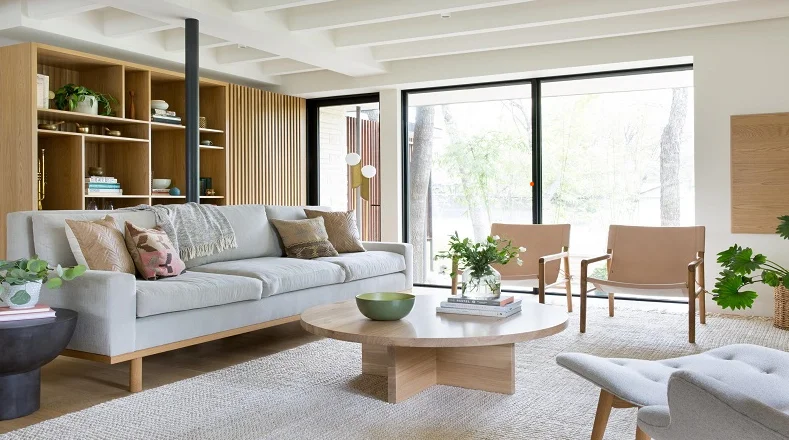

Lighting is one of the most important parts of home design. It affects how a room looks, how people use the space, and how comfortable they feel inside it. Even a beautifully decorated room can seem dull or uninviting when the lighting is poorly planned. On the other hand, the right combination of natural and artificial light can make an ordinary room feel warm, attractive, and practical.
Good lighting is not simply about making a space bright. It involves choosing suitable light sources, placing them correctly, and creating different levels of brightness for different activities. Whether you are decorating a new home or updating an existing room, a thoughtful lighting plan can make a noticeable difference.
1. Make the Most of Natural Light
Natural light can make a home feel open, fresh, and welcoming. Before purchasing new lamps or fixtures, look at how sunlight enters each room during the day.
Avoid placing large pieces of furniture directly in front of windows if they block valuable daylight. Use curtains that allow sunlight to enter while still providing privacy when needed. Light colored window coverings can help maintain a bright appearance without making the room feel exposed.
Mirrors can also help distribute natural light. Placing a mirror opposite or near a window may reflect daylight into darker parts of the room. However, the mirror should be positioned carefully so that it does not create uncomfortable glare.
If a room receives limited sunlight, use light wall colors and avoid filling the space with too many heavy decorative items. A simple arrangement can help the room feel brighter.
2. Understand the Three Main Types of Lighting
A well designed room usually benefits from more than one type of lighting. Three common categories are ambient, task, and accent lighting.
Ambient lighting provides general illumination throughout a room. Ceiling fixtures, recessed lights, and large pendant lamps are common examples. This lighting makes it easier to move around and use the space.
Task lighting focuses on specific activities. Desk lamps, reading lights, and under cabinet kitchen lighting can help people see clearly while working, cooking, or reading.
Accent lighting highlights decorative features. It may be used to draw attention to artwork, shelves, architectural details, or indoor plants.
Combining these three types creates a balanced lighting arrangement. Instead of depending on one bright ceiling fixture, use several light sources that serve different purposes.
3. Choose the Right Lighting for the Living Room
The living room is often used for several activities. Family members may watch television, read books, entertain guests, or simply relax. Therefore, the lighting should be flexible.
A ceiling fixture can provide general brightness, while floor lamps and table lamps can create a softer atmosphere. If the room contains artwork or decorative shelves, small accent lights may highlight these features.
Avoid placing very bright lights directly where people sit because they can create glare. Consider adjustable lamps that allow the direction of light to change according to different needs.
For television viewing, soft background lighting may help make the room more comfortable than sitting in complete darkness.
4. Create Functional Kitchen Lighting
Kitchen lighting should support safety and convenience. People need enough light to prepare meals, clean surfaces, and use appliances comfortably.
General ceiling lighting provides overall brightness, but additional task lighting is useful in areas where food is prepared. Under cabinet lights can illuminate countertops and reduce shadows created by upper cabinets.
Pendant lights may work well above kitchen islands or dining counters. Their size and position should suit the available space so that they do not interfere with movement.
Choose fixtures that are easy to clean because cooking areas can collect dust and grease. Practical design should always come before decorative appearance in a busy kitchen.
See also: Enhancing Business Efficiency with Equipment Hire Software
5. Make Bedrooms Feel Calm and Relaxing
Bedroom lighting should create a peaceful atmosphere. Very bright overhead lighting may not be suitable for relaxing before sleep.
Use bedside lamps for reading and softer lighting for the evening. Wall mounted lights can save space on small bedside tables, while adjustable fixtures allow people to direct light where it is needed.
Warm colored light is often preferred in relaxing spaces because it creates a softer appearance. Consider separate controls so that the main light can be switched off while a smaller lamp remains on.
Avoid placing bright light sources where they shine directly into the eyes when someone is lying in bed.
6. Pay Attention to Light Color and Brightness
Light color can influence the mood of a room. Warm light usually creates a cozy feeling, while cooler light can provide a cleaner and more focused appearance.
Living rooms and bedrooms often benefit from warmer lighting. Kitchens, study areas, and workspaces may require brighter light depending on the activities taking place.
Brightness is also important. A fixture that is too weak may leave a room difficult to use, while an excessively bright source can cause discomfort.
Dimmable bulbs and compatible lighting controls provide flexibility. They allow people to adjust brightness according to the time of day and the purpose of the room.
7. Select Fixtures That Match Your Interior Style
Lighting fixtures are also decorative elements. Their materials, shapes, and finishes should complement the rest of the interior.
A simple pendant light may suit a modern room, while a traditional space may look better with a more detailed fixture. Natural materials such as wood and woven textures can create a relaxed appearance.
However, avoid selecting fixtures only because they look attractive in a showroom. Consider ceiling height, room size, maintenance, and the amount of light they provide.
A beautiful fixture should improve the room rather than make it difficult to use.
8. Save Energy With Better Lighting Choices
Energy efficient lighting can reduce electricity use and household expenses. LED bulbs are a popular option because they generally use less energy and last longer than traditional incandescent bulbs.
Switching off unnecessary lights is another simple habit. Motion sensors and timers may also be useful in selected areas, such as hallways or outdoor spaces.
Choose bulbs with suitable brightness and color temperature rather than automatically selecting the highest output available. Efficient lighting should provide enough illumination without wasting energy.
Conclusion
Good lighting can improve the appearance, comfort, and functionality of every room. By using natural daylight, combining different lighting types, choosing suitable fixtures, and selecting the right brightness, homeowners can create spaces that feel both attractive and practical.
Start with one room and identify the areas that need better illumination. Small improvements, such as adding a reading lamp or changing an outdated fixture, can make a meaningful difference.
For more practical ideas about decorating and improving your living space, explore home decorating advice and interior design inspiration.