Newsletter Subscribe
Enter your email address below and subscribe to our newsletter

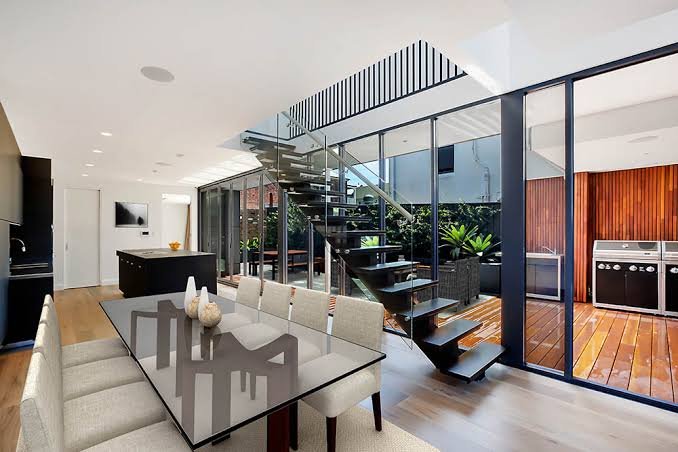
Lighting is one of the most important parts of home design. It affects how a room looks, how comfortable people feel, and how easily they can complete everyday activities. A beautiful room with poor lighting may feel dull or uncomfortable, while a simple space with the right lighting can look warm, welcoming, and stylish. Modern smart lighting makes it easier for homeowners to create the right atmosphere without constantly adjusting switches.
Smart lighting combines practical technology with interior decoration. It allows people to control brightness, colors, and lighting schedules through mobile applications, voice commands, or automatic settings. These features make lighting more convenient while giving homeowners greater control over the appearance of their living spaces.
Traditional lighting usually offers limited control. You turn a light on or off, and sometimes adjust its brightness with a suitable dimmer. Smart lighting provides more options. Depending on the product, users can change brightness, select different color temperatures, and create schedules for specific times of the day.
For example, bright white lighting can be useful in a kitchen or home office because it helps create a focused environment. Softer warm lighting may be more suitable for bedrooms and living rooms where relaxation is important.
Smart bulbs and connected lighting systems can also help people manage lights when they are away from home. Some systems allow users to check and control their lights remotely, which adds convenience to everyday life.
Every room has different lighting needs. A kitchen requires enough light for preparing meals, cleaning surfaces, and using appliances safely. Ceiling lights can provide general illumination, while under cabinet lighting can make work surfaces easier to use.
Living rooms benefit from layered lighting. Instead of depending on one bright ceiling fixture, homeowners can combine ceiling lights, floor lamps, table lamps, and decorative lights. This approach creates a more balanced atmosphere and allows the room to serve different purposes.
Bedrooms should have comfortable lighting that supports rest. Bedside lamps, adjustable wall lights, and warm smart bulbs can create a peaceful environment. In a home office, adjustable task lighting can reduce shadows and make reading or working more comfortable.
Lighting can highlight the features that make a home unique. A carefully placed light can draw attention to artwork, textured walls, decorative shelves, or attractive furniture. It can also make a small room appear more open when the light is distributed properly.
Homeowners can explore more ideas about combining technology and interior style through modern home décor inspiration. A thoughtful approach to decoration can help create rooms that look attractive while remaining useful for daily activities.
It is important to consider the existing colors and materials in a room before choosing lighting. Warm light often works well with natural wood and earthy colors, while neutral or cool lighting may suit certain modern interiors. Testing different settings can help homeowners find a comfortable balance.
One useful feature of smart lighting is automation. Homeowners can schedule lights to turn on before they arrive home, gradually brighten in the morning, or switch off at a selected time at night.
These settings can support a consistent daily routine. For example, a gentle lighting schedule in the morning may make waking up feel more comfortable. Evening settings can reduce excessive brightness and help create a relaxing atmosphere.
Motion sensors are another practical option for hallways, entryways, and other areas where people frequently move through the home. However, users should select reliable products and adjust sensor sensitivity to avoid unnecessary activation.
Smart lighting can help households become more aware of electricity use. Scheduling and remote controls make it easier to switch off lights that are not needed. Some connected systems also provide energy information, although the available features depend on the product.
Choosing LED bulbs is another useful step. LED lighting generally uses less electricity than traditional incandescent bulbs and often lasts longer. Before purchasing smart bulbs, check their compatibility with existing fixtures, switches, Wi Fi networks, and control systems.
There is no need to replace every light in the house at once. Starting with one room is a practical way to understand how smart lighting works. A living room or bedroom is often a suitable starting point because lighting has a noticeable effect on comfort and appearance.
Compare products based on brightness, color options, reliability, installation requirements, and privacy settings. Keep the number of applications and connected systems manageable. A simple setup is often easier to maintain than a complicated system with features that are rarely used.
For additional inspiration, homeowners can read about intelligent living and stylish smart home ideas. Understanding how connected devices fit into modern interiors can make it easier to plan useful improvements.
Smart lighting offers a practical way to improve both the appearance and functionality of a home. It gives homeowners more control over brightness, atmosphere, and daily routines. With suitable bulbs, thoughtful placement, and simple automation, even an ordinary room can become more comfortable and attractive.
The best lighting system is not necessarily the most expensive one. It is the system that matches the needs of the household, works reliably, and supports the overall design of the home.